
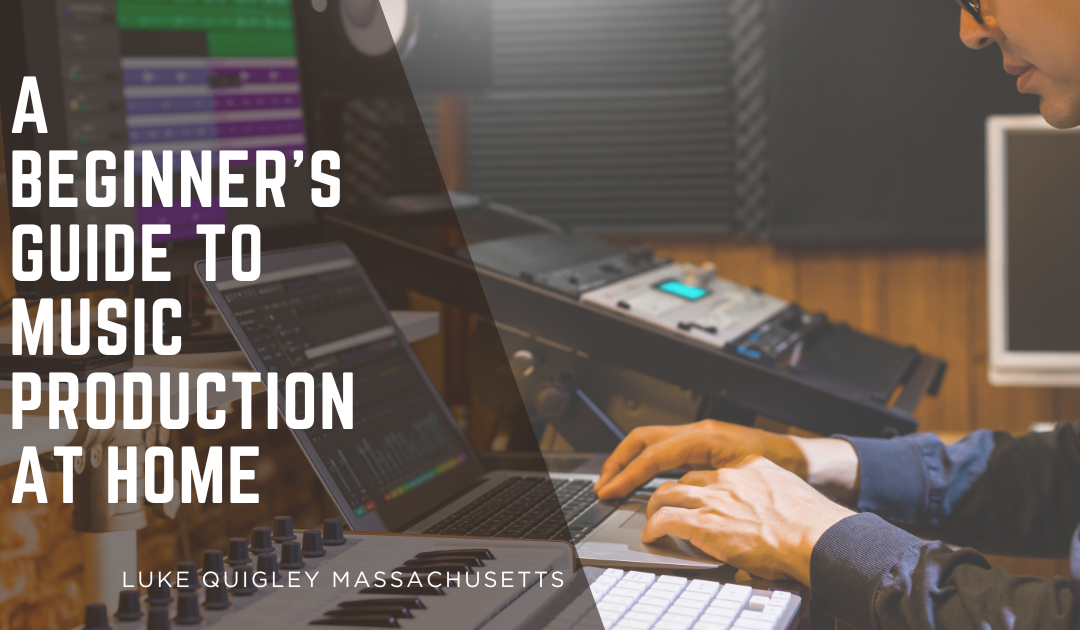
Creating music at home has never been easier or more accessible. Thanks to advancements in technology, aspiring producers no longer need a professional studio to bring their musical ideas to life. Whether you’re looking to record your first track or experiment with beats, setting up a basic home studio and understanding the essentials of music production can help you get started on your creative journey.
The first step in home music production is choosing the right digital audio workstation, or DAW. This software serves as your central hub for recording, editing, and mixing music. Popular DAWs like Ableton Live, FL Studio, Logic Pro, and GarageBand offer a wide range of tools suited for beginners. Many even provide free versions or trial periods so you can explore their features before committing.
Next, consider the hardware you’ll need. A decent computer with sufficient processing power and memory is essential, as music production can be demanding. An audio interface is also a good investment, as it improves sound quality and allows you to connect instruments and microphones. USB microphones are a good budget-friendly option for beginners who want to start recording vocals.
Monitors and headphones are important for accurately hearing your mix. Studio monitors provide a flat frequency response, helping you identify flaws in your tracks. If you’re working in a shared space or at odd hours, high-quality closed-back headphones can be a practical alternative.
A MIDI keyboard can add a lot of flexibility to your setup. It allows you to play virtual instruments, control sounds, and experiment with melodies. While not strictly necessary, MIDI controllers are especially helpful for producers who want hands-on control and more expressive input.
Understanding the basics of recording is key. Begin by creating clean, well-organized sessions. Label your tracks, use markers, and set levels before hitting record. When tracking vocals or live instruments, record in a quiet environment with minimal background noise. You can use simple acoustic treatment like foam panels, rugs, and curtains to reduce echo and improve sound quality.
Once your audio is recorded, the next step is editing. This includes trimming clips, adjusting timing, and applying pitch correction if needed. DAWs offer a range of tools for fine-tuning your performance and ensuring each element of your song fits together harmoniously.
Mixing is where your track really starts to come to life. This involves balancing volume levels, panning instruments across the stereo field, and applying effects like reverb, delay, and EQ. Take your time learning how each tool affects the overall sound. Many online tutorials and communities offer great beginner-friendly resources.
After mixing comes mastering, which is the final polish that prepares your track for distribution. Mastering involves adjusting the overall loudness, refining EQ, and ensuring consistency across different playback devices. While professional mastering services are available, many DAWs and third-party plugins offer basic mastering tools to help you get started.
One of the most exciting parts of home music production is exploring virtual instruments and sound libraries. From orchestral strings to hip-hop drum kits, you can access a vast world of sounds without ever leaving your room. Experimenting with different genres, textures, and rhythms can help you discover your unique musical style.
Don’t forget the importance of organization and backup. Keep your files labeled clearly, create regular backups, and maintain a structured folder system. Losing hours of creative work due to a technical issue can be incredibly frustrating.
Finally, share your work. Platforms like SoundCloud, Bandcamp, and YouTube make it easy to publish your music and connect with listeners. Feedback from others can help you grow, and the process of releasing music builds confidence and motivation.
Starting with music production at home can feel overwhelming, but with the right tools and a bit of practice, it becomes an exciting and rewarding creative outlet. Focus on learning step by step, enjoy the process, and let your creativity guide you.